
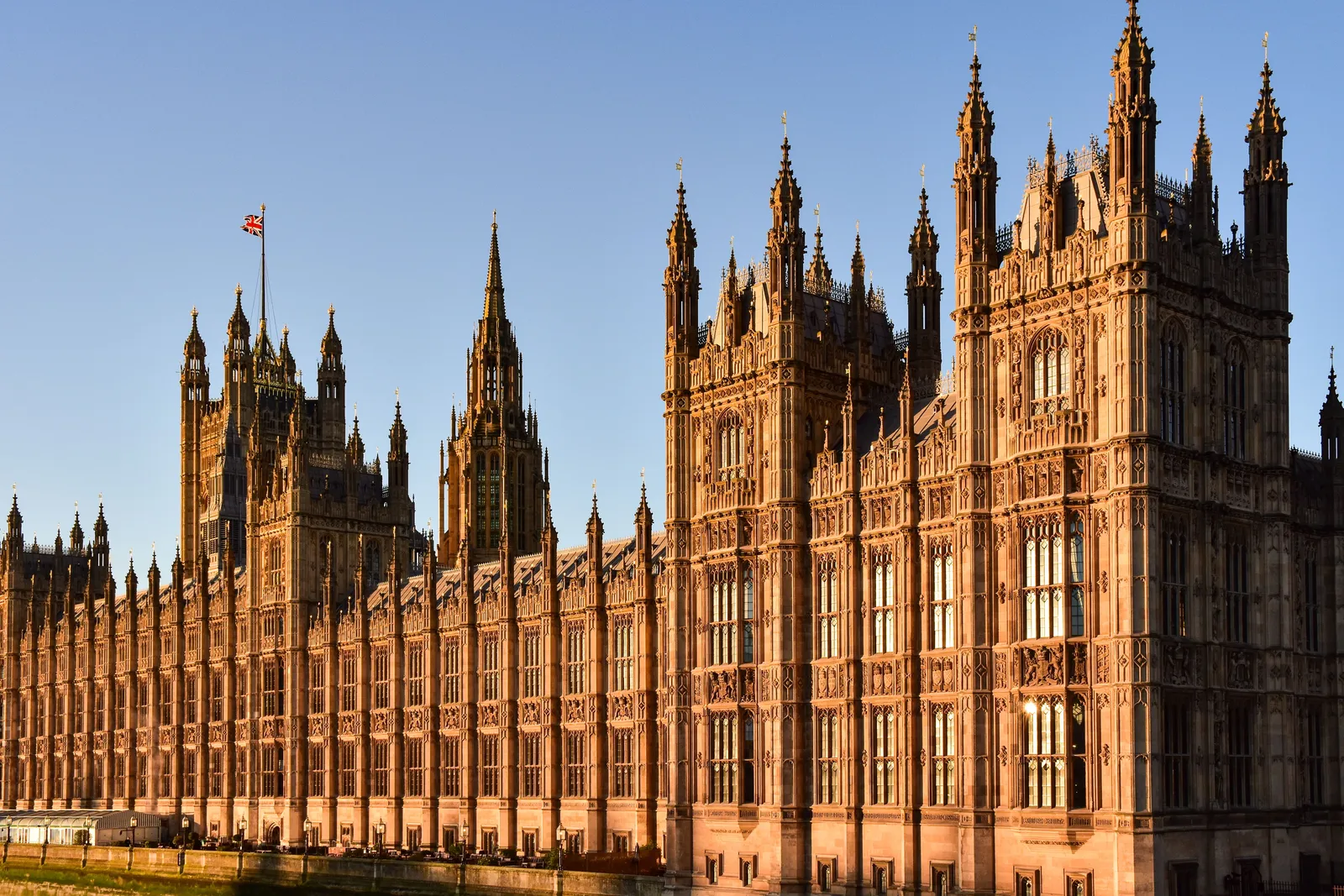
The UK is changing the way air passenger rights can be enforced and updated, but UK261 compensation rules have not been replaced. The Civil Aviation (Consumer Protection and Regulatory Reform) Bill completed its House of Lords stages in July 2026 and was sent to the House of Commons. Its consumer provisions would give the UK Civil Aviation Authority stronger enforcement tools and restore powers that could be used to amend air passenger-rights rules in future.
For passengers whose flights are disrupted today, the practical message is simple: continue to use the UK261 rules currently in force. The Bill itself does not introduce a new compensation table or automatically change whether a particular flight qualifies.
Where does the Civil Aviation Bill stand?
The Civil Aviation (Consumer Protection and Regulatory Reform) Bill is a government Bill covering consumer protection, airspace modernisation, aviation safety, airport slots and related regulatory powers. The Lords held its third reading on 20 July 2026, after which it was sent to the Commons for consideration.
A Bill progressing through Parliament is not the same as a law already changing individual claims. Until relevant provisions become law and any necessary secondary legislation is made, passengers should not assume that reform headlines have altered their current UK261 rights.
What would change for passenger rights?
The passenger-rights provisions work mainly at two levels. First, the government proposes stronger administrative powers for the UK Civil Aviation Authority (CAA). The Department for Transport says these powers are intended to let the regulator act more quickly where airlines or airports systematically fail to meet consumer-law obligations, including around disruption information, assistance and accessible services.
Second, the Bill would restore legislative powers allowing the UK to make and amend air passenger-rights regulations through secondary legislation. Government analysis explains that the general power previously used to amend this area of law was lost after the UK’s withdrawal from the EU.
A power to make future rules is not itself a new set of compensation rules.
What does not change about UK261 today?
UK261 remains the current framework for important rights on qualifying flights involving the UK. The CAA continues to state that passengers may have rights to care, reimbursement or rerouting, and in qualifying circumstances fixed compensation for delays, cancellations and denied boarding.
For delays, compensation may be available when a passenger reaches the destination more than three hours late, provided UK261 applies and the legal conditions are met. Current fixed compensation can be £220, £350, £260 or £520 per passenger, depending on distance and, for certain long-haul delays, the length of the arrival delay.
Compensation is not automatic. Extraordinary circumstances can affect fixed compensation, while care obligations may still apply. Airdelay’s UK261 compensation guide explains the current rules.
Why stronger CAA enforcement matters
The CAA already enforces UK261, but the government says its current framework can require slow and costly court action. A regulatory assessment also says the CAA lacks some direct penalty and information-gathering powers available to comparable regulators.
The Bill is intended to provide more direct administrative enforcement tools. This could make it easier to investigate patterns of non-compliance and respond where passenger-rights obligations are systematically not being met.
That sits alongside the CAA’s existing UK261 compliance programme, launched in October 2025. The CAA says it initially covers the 25 largest airlines flying from the UK, representing around 90% of passengers travelling commercially in the UK.
Could UK261 itself change later?
Potentially, yes. The government’s Regulatory Policy Committee material says the proposal would restore powers enabling the UK to create and amend air passenger-rights regulations through secondary legislation. It also states that the primary proposal has no immediate regulatory impact by itself because any specific future policies would come later.
That makes the Bill important for UK261, but passengers should be cautious about claims that a threshold, compensation amount or eligibility rule has changed unless an actual legal amendment is made. Airdelay’s EU261 vs UK261 vs Turkish passenger-rights comparison explains why choosing the correct framework matters.
What does this mean for UK–Türkiye flights and AJet passengers?
For passengers travelling between the UK and Türkiye, the Bill does not change the need to determine which framework applies to the actual flight. Under current CAA guidance, UK law covers flights departing from a UK airport on any airline. It can also cover certain flights arriving in the UK when operated by a UK or EU airline.
This direction-of-travel distinction is especially important for a Türkiye-based carrier such as AJet. An AJet flight departing a UK airport can fall within UK261 because of the UK departure. An AJet-operated flight from Türkiye to the UK requires a different framework analysis because AJet is not a UK or EU carrier.
That does not mean passengers on the return journey have no rights: Turkish passenger-rights rules or another applicable framework may be relevant. See Airdelay’s UK–Türkiye flights and UK261 rights guide and the AJet compensation claim guide.
What should passengers do now?
- Check which passenger-rights framework applies to the route and operating carrier.
- Keep booking details, airline messages and evidence of the disruption.
- Record the actual arrival time at the final destination.
- Keep receipts for reasonable expenses.
- Separate reimbursement, rerouting, care and fixed compensation when assessing your rights.
- Apply the rules in force when the disruption happened, not a proposed future reform.
For a practical evidence checklist, see Airdelay’s guide to what to keep when your flight is delayed.
What happens next?
The next important step is the Bill’s progress through the House of Commons and any changes made before Royal Assent. After that, the key question will be whether the government uses the restored reform powers to propose specific amendments to UK passenger-rights rules.
Until then, keep reform of the enforcement and law-making framework separate from the UK261 rules applying to a disrupted flight today.
Official sources
- UK Parliament: Civil Aviation (Consumer Protection and Regulatory Reform) Bill
- Department for Transport and CAA: aviation reform and passenger protection
- Regulatory Policy Committee: additional CAA consumer powers
- CAA: current UK261 delay rights
Last updated: 12 August 2026. This article provides general passenger-rights information and does not determine eligibility for an individual claim.